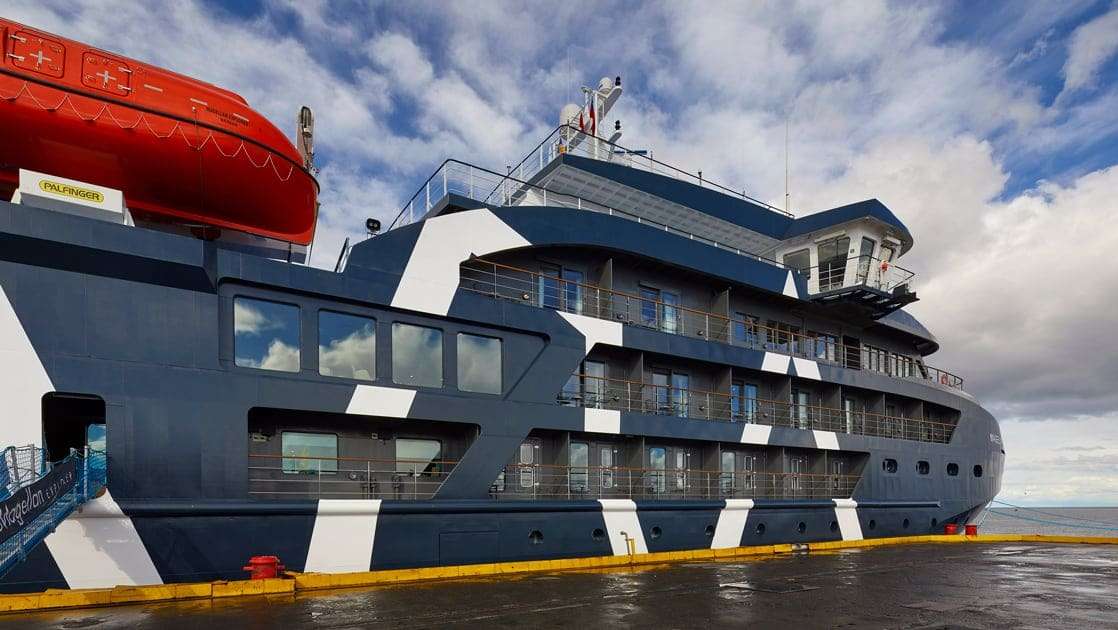
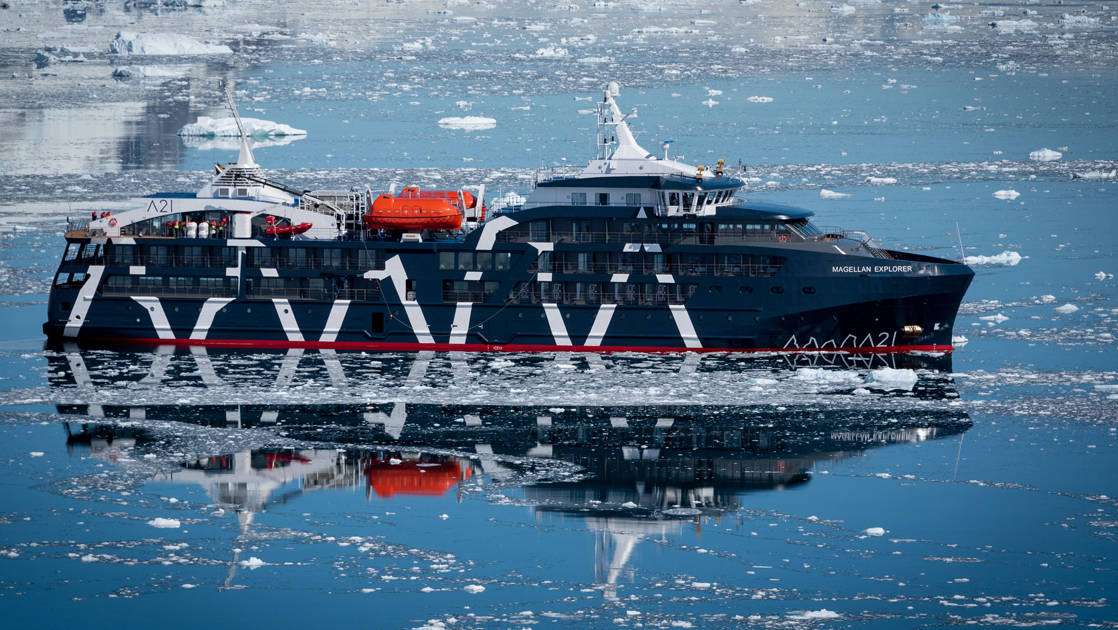
Fly across the Drake Passage and step straight into Antarctica aboard Magellan Explorer, a 90.7-metre, PC6 expedition ship purpose-built for air-cruises. Limited to 76 guests, she combines 10 Zodiacs and open observation areas with 39 carefully mapped cabins, most with private balconies. The signature eight-day journey includes two Punta Arenas hotel nights, the return Antarctic charter flight, expert-led landings and refined full-board life at sea.
| Date | 20/12/26 to 27/12/26 |
|---|---|
| Duration | 7 nights |
| Boat | Magellan Explorer |
| Destination | Antarctica |
| Departure | Puntarenas |
| Arrival | Puntarenas |
Description
Boat
Magellan Explorer was created for travellers who want the drama of Antarctica without spending two days each way crossing the Drake Passage by sea. Built in Chile and launched in 2019, she is a modern expedition vessel designed specifically around Antarctica21's air-cruise operation. Guests fly roughly two hours from Punta Arenas to King George Island, board by Zodiac and begin exploring among the South Shetland Islands and the western Antarctic Peninsula. That combination replaces the long ocean crossing with more immediate access to ice, wildlife and shore activity.
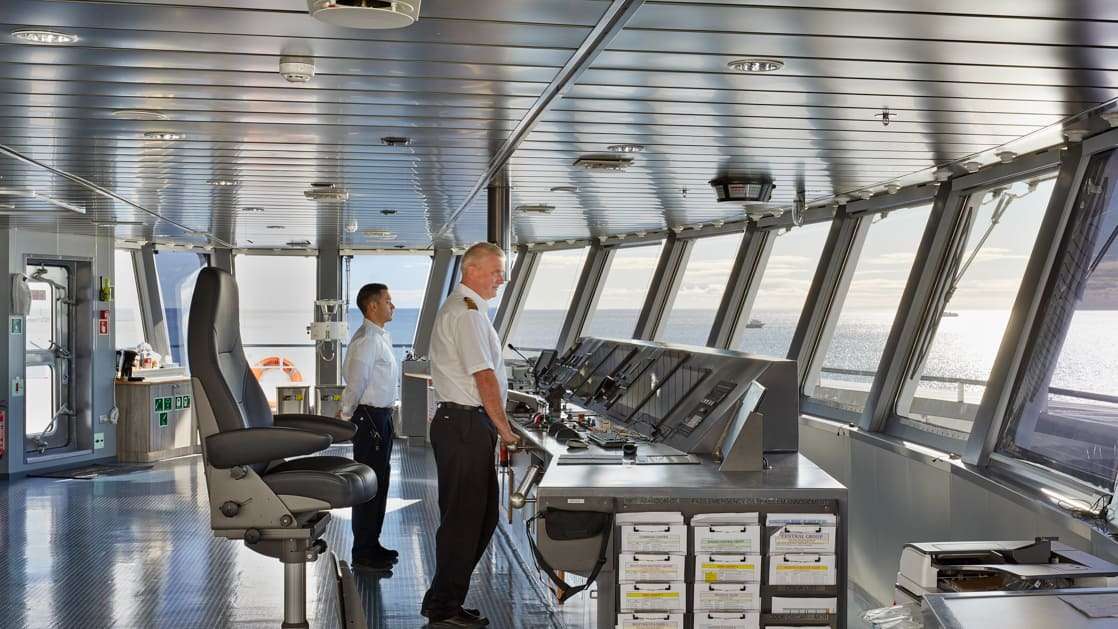
The ship carries a maximum of 76 guests on air-cruises, supported by 60 expedition staff and crew. At 90.7 metres long and 16.2 metres wide, she is substantial enough to offer proper lounges, dining and technical spaces while remaining far more intimate than a conventional cruise ship. Her LR PC6 ice class, double-hull construction, ice radar, bow and stern thrusters and retractable stabilisers were selected for polar operations. Three diesel engines provide 3,440 kW, and the published cruising speed is 14 knots in open water.
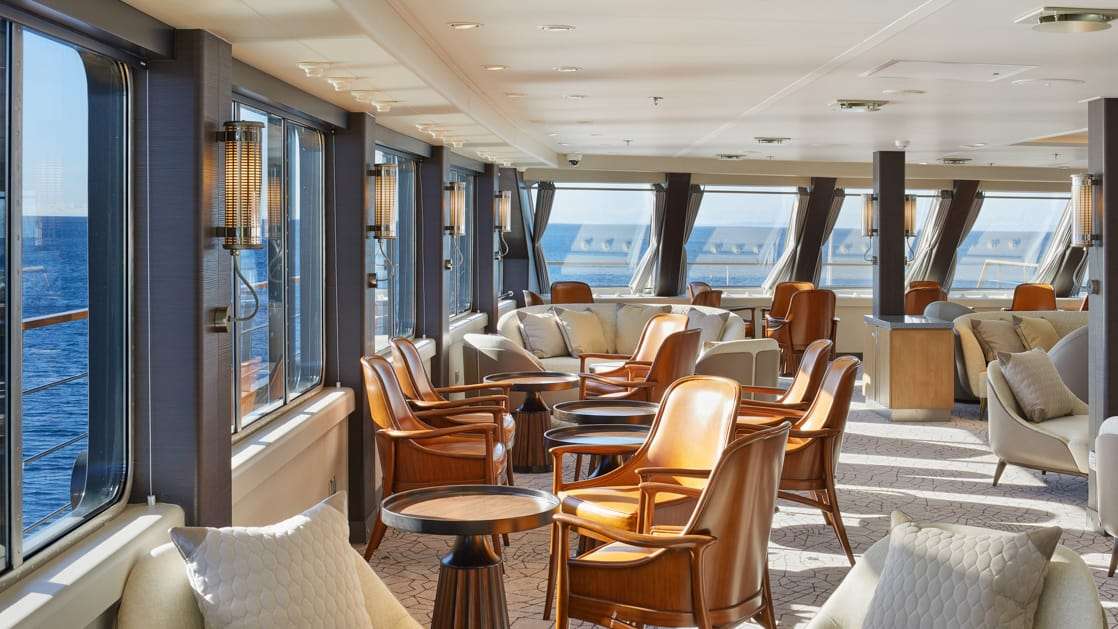
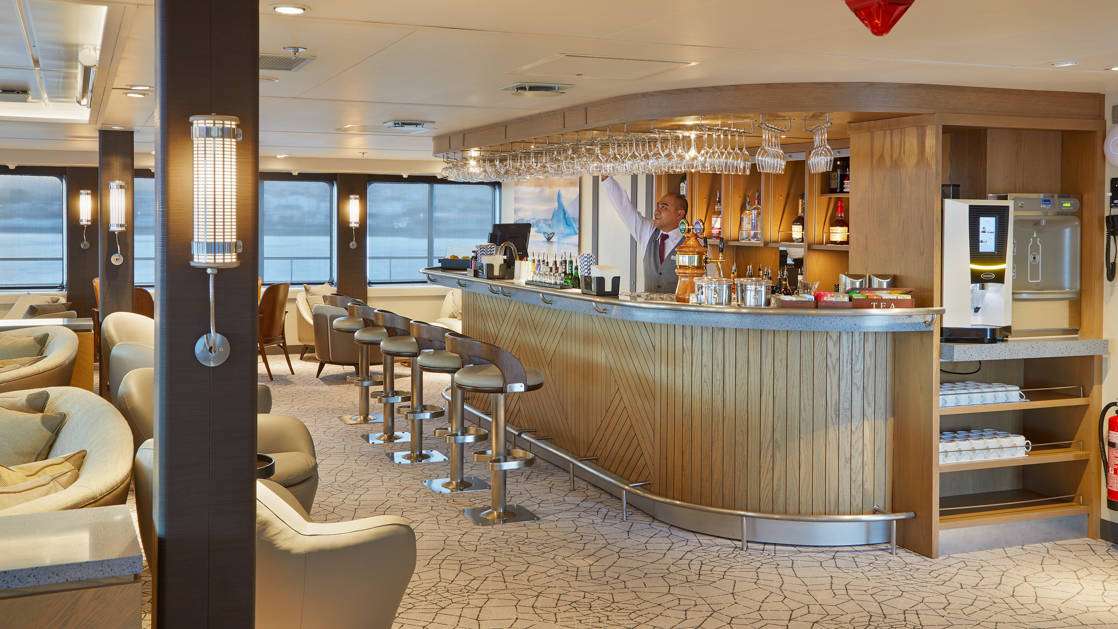
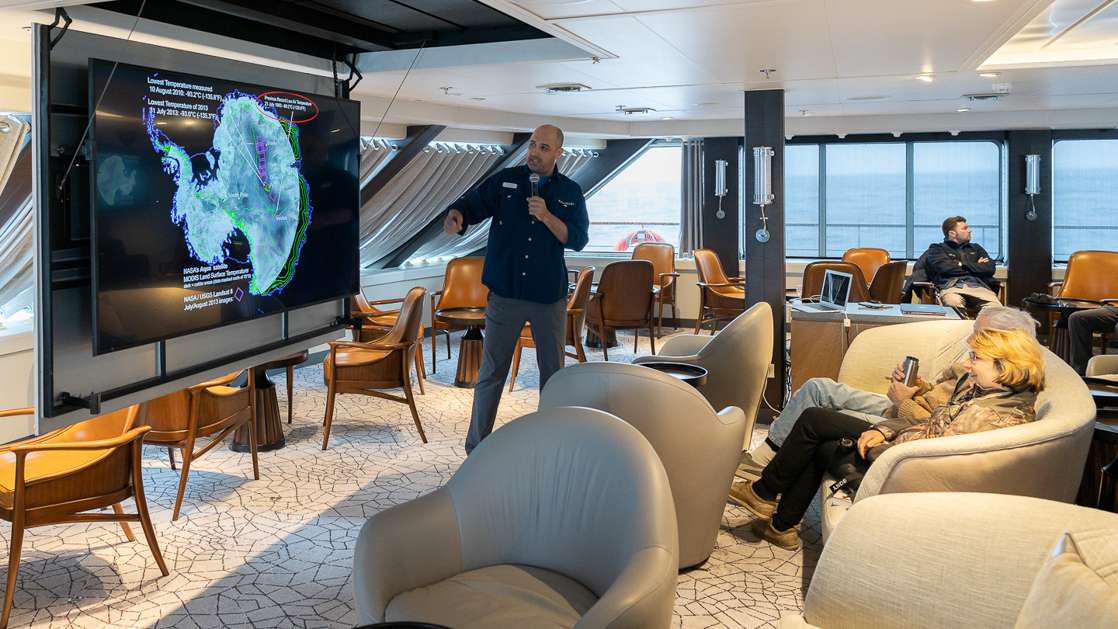
Magellan Explorer's strongest public room is the glass-enclosed observation lounge and bar on Deck 5. Wide forward windows keep the landscape present during lectures, route updates and quiet sailing, while an exterior observation deck leads towards the bow for a closer view of ice and marine life when access is authorised. The same deck carries the Zodiac storage area and a sheltered outdoor barbecue space, making the transition from comfortable interior to working expedition platform feel unusually direct.
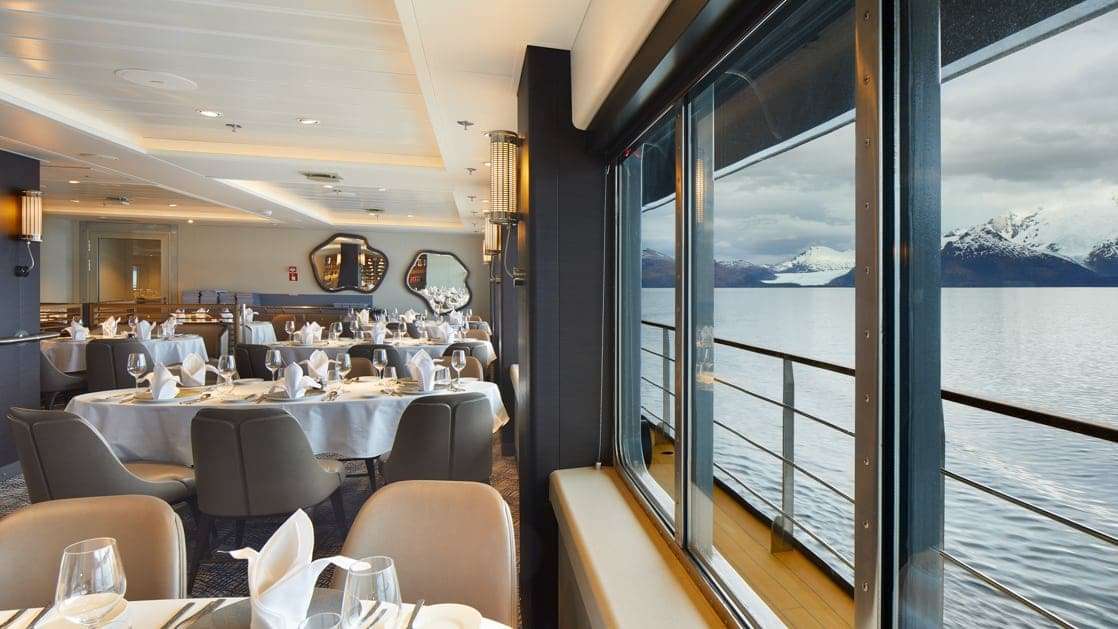
The dining room uses large windows and serves buffet breakfast and lunch followed by a three-course dinner. Wine, beer, juice and soft drinks are included with lunch and dinner; coffee, tea, chocolate, cappuccino, water and snacks remain available during the expedition. Drinks ordered separately from the ship's bar are not included. Dietary requests should be entered in the required participation form before travel rather than left until embarkation.
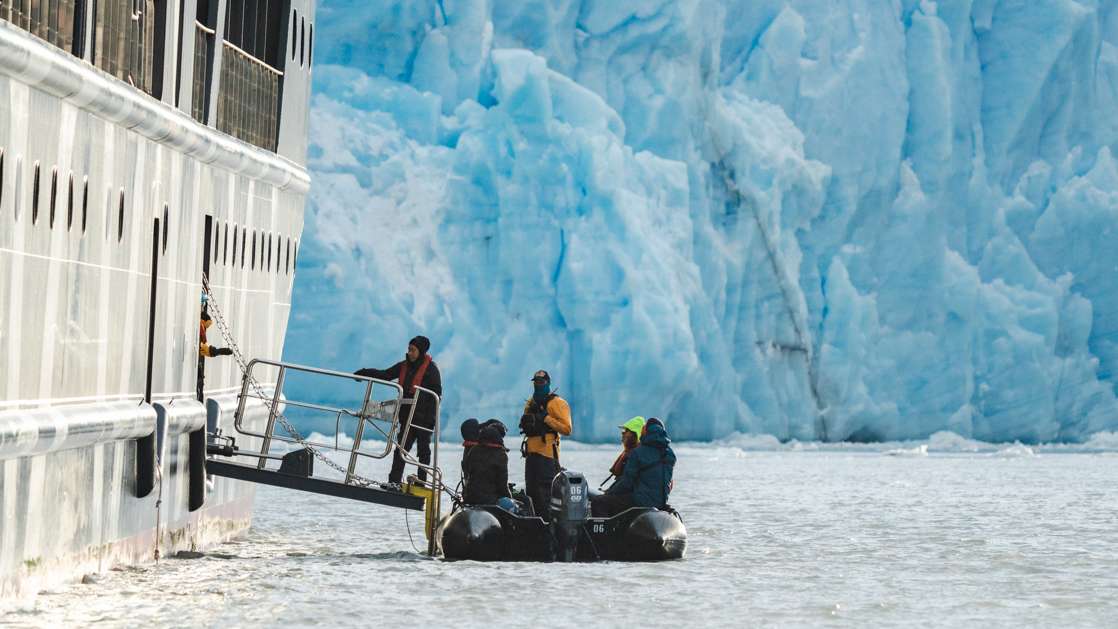
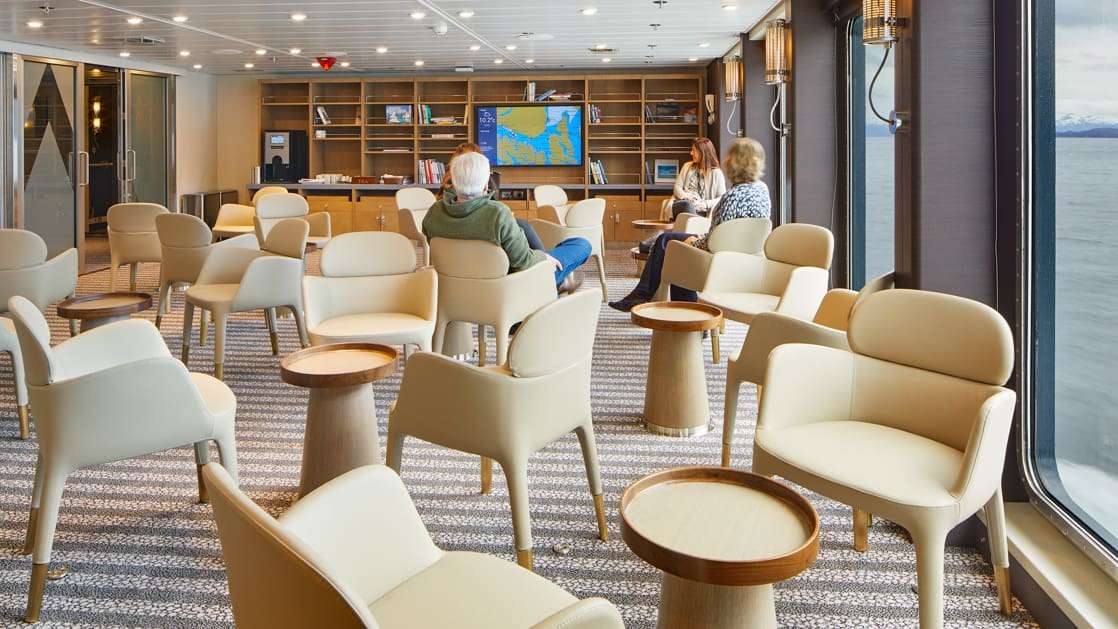
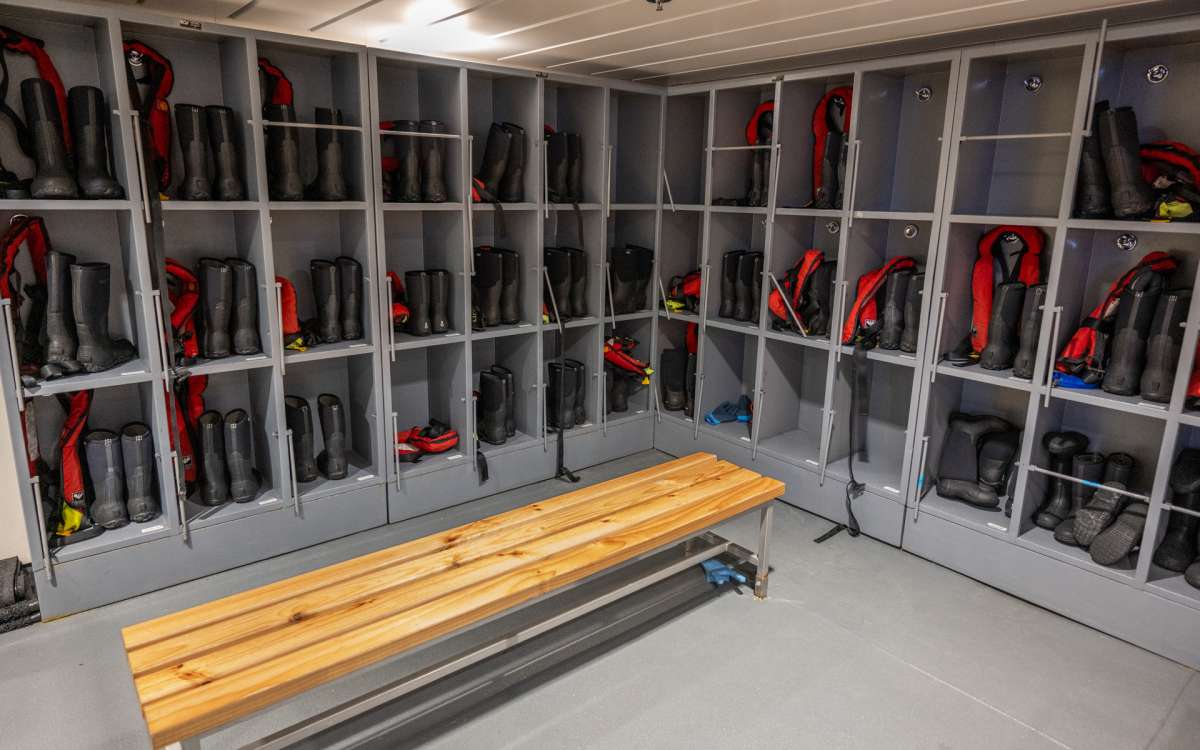
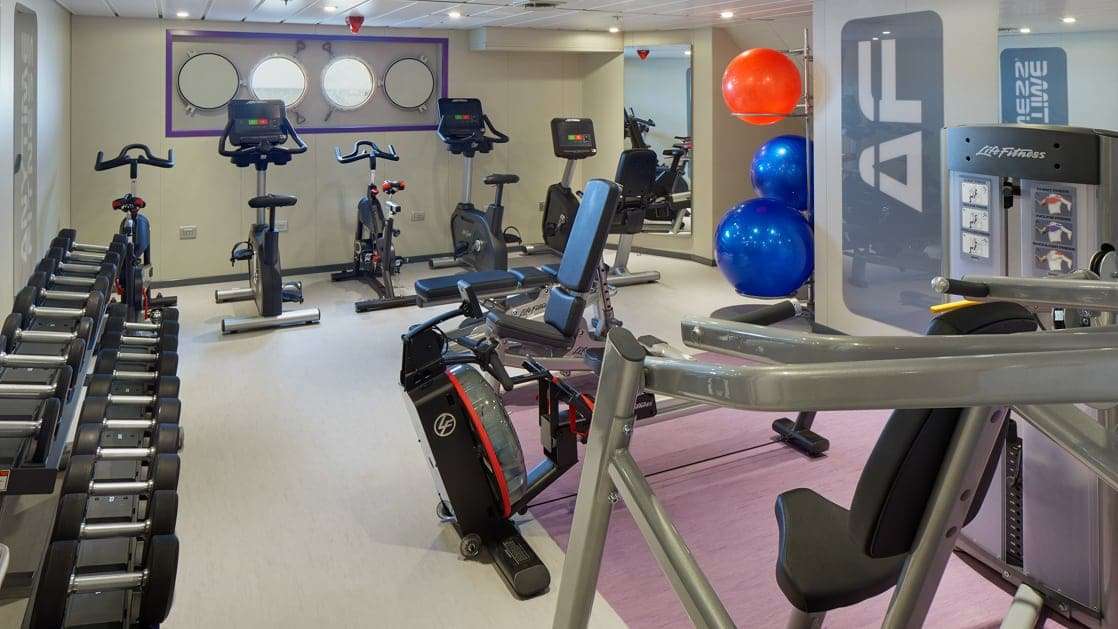
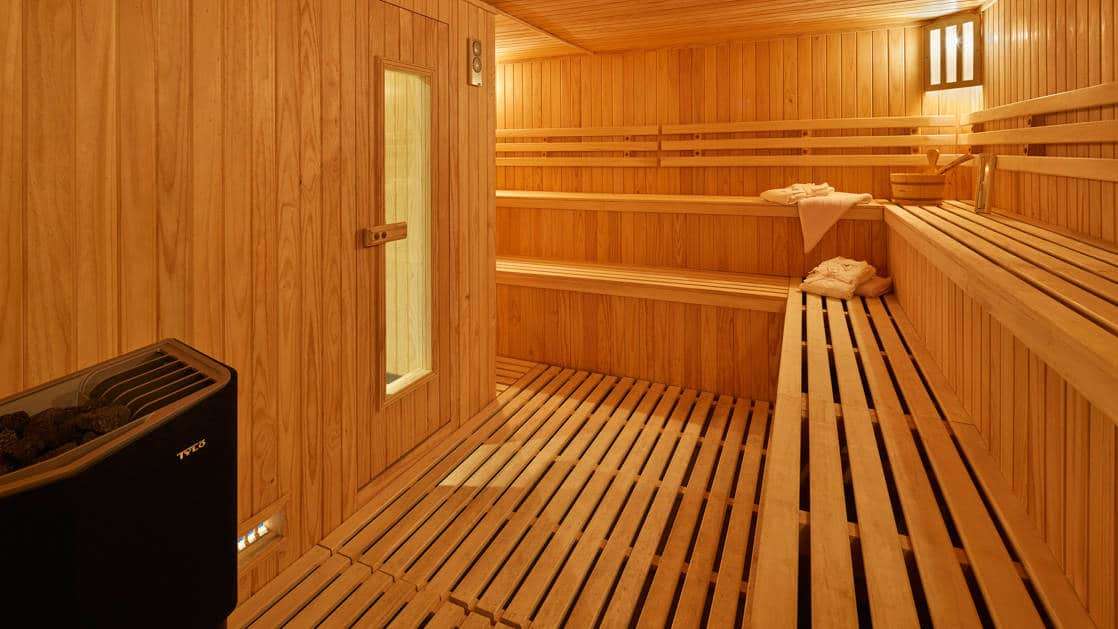
Elsewhere are a library, presentation and meeting facilities, expedition office, gift shop, gym, sauna and medical clinic. The expedition boarding area and mudroom on Deck 2 give guests an assigned place for boots and outer layers before Zodiac calls. Ten Zodiacs support shore landings and wildlife cruises, and the two midship gangways are designed to move small groups efficiently. Each day's operation still depends on sea state, ice, wind, visibility and landing permissions; the vessel's equipment creates opportunity, not a guaranteed list of sites.
Environmental and safety features include Tier III emissions compliance, heat recovery from the engines, modern navigation systems, two fully enclosed lifeboats and eight life rafts. Published survival-craft capacity is 320 in total. These specifications are reassuring, but the most important safety information remains the voyage-specific briefing: guests must learn their own muster station, life-jacket location, exterior routes and the crew's instructions for stairs, decks and Zodiac transfers.
The atmosphere is polished but expedition-led. There is no need for formal evening dress; warm, practical layers and rubber-soled shoes suit life aboard. A lecture may give way to a whale sighting, dinner time may shift after a long landing, and the captain can reposition the ship overnight. Travellers who enjoy expert interpretation, active days and flexible decisions will gain more from Magellan Explorer than guests expecting a fixed sightseeing timetable.
Cabin
For the 2026–27 air-cruise season, Magellan Explorer has exactly 39 guest accommodation units in seven categories, providing a maximum of 76 berths. The current deck plan gives the following complete inventory:
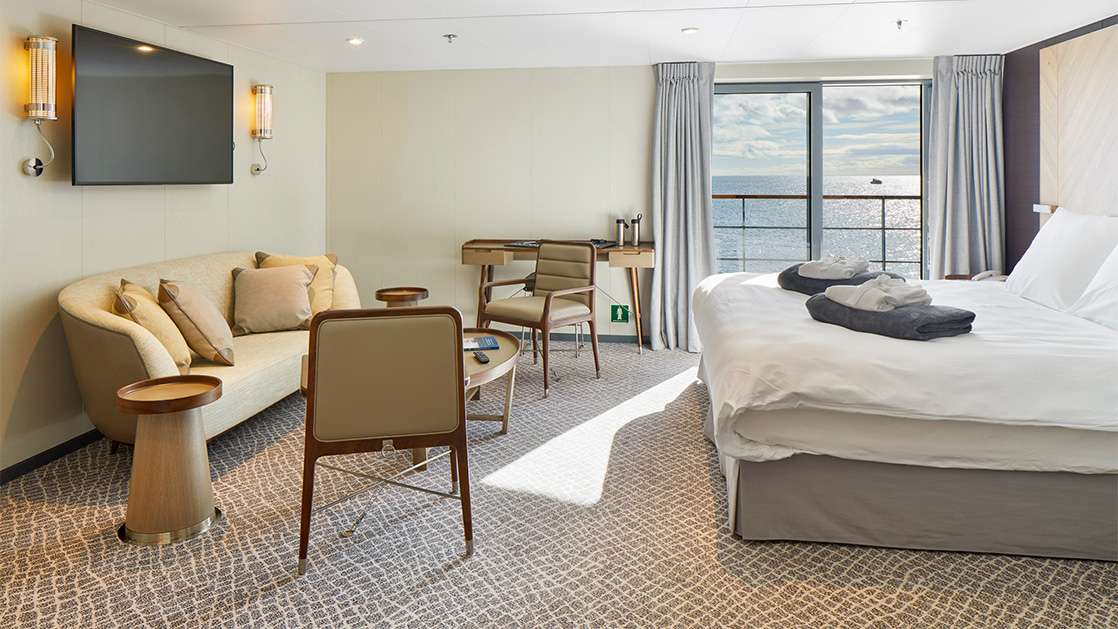
- 3 Penthouse Suites — 33 m² / 360 ft², Deck 5, cabins 501, 502 and 504: one king bed or two twins; separate sitting area with sofa and coffee table; desk and chair; two armchairs; private furnished balcony; private shower room; maximum 2 guests
- 5 Deluxe Suites — 44 m² / 480 ft², Deck 4, cabins 401, 402, 405, 406 and 411: two-room layout with bedroom and separate living room; two private balconies; two private shower rooms; queen sofa bed in the living area; king or twin configuration in the bedroom, except cabin 405, which has a fixed queen bed; sold for a maximum of 2 guests in the current category plan
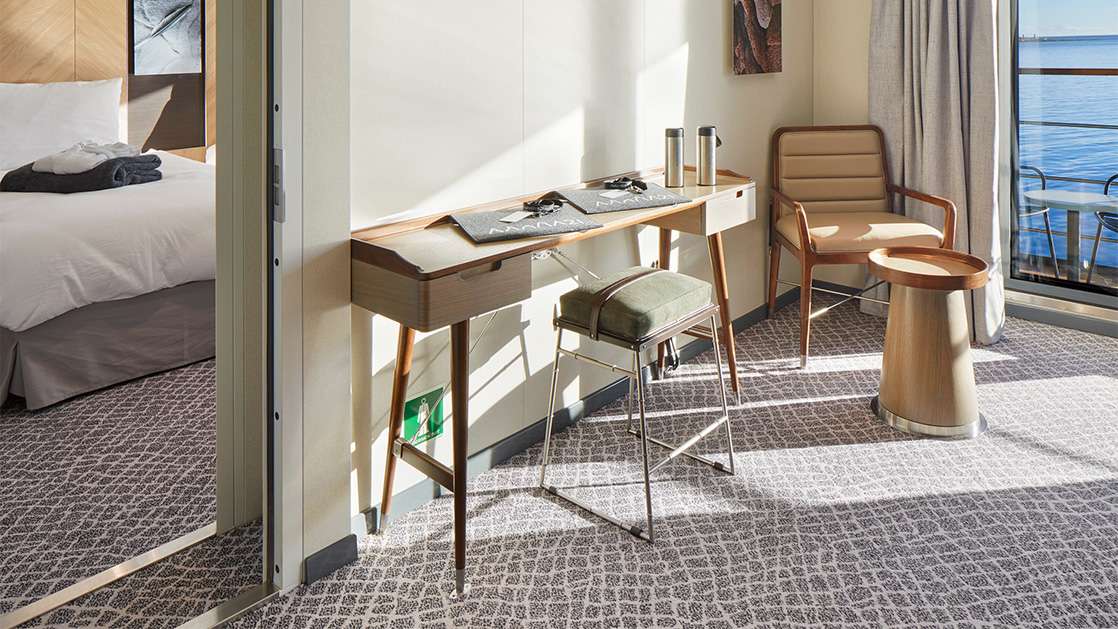
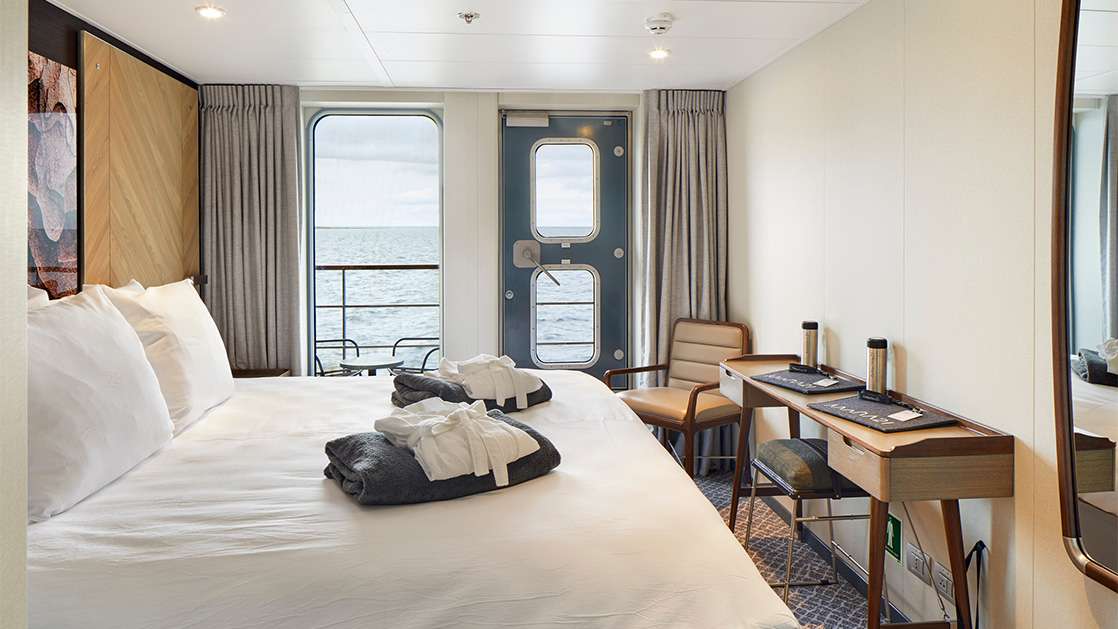
- 16 Deluxe Veranda Cabins — 22 m² / 240 ft², Deck 4, cabins 409, 410, 412, 415, 417, 418, 419, 420, 421, 422, 423, 424, 425, 426, 428 and 430: sitting area, private furnished balcony and private shower room; king or twin configuration, except cabins 409, 412 and 420, which have fixed queen beds; maximum 2 guests
- 8 Veranda Cabins — 19 m² / 210 ft², Deck 3, cabins 301, 302, 303, 304, 305, 306, 308 and 310: sitting area, private furnished balcony and private shower room; one king or two twins; maximum 2 guests
- 3 Porthole Cabins — 18 m² / 200 ft², Deck 3, cabins 311, 314 and 316: sitting area, porthole windows and private shower room; one king or two twins; no balcony; maximum 2 guests
- 3 Single Veranda Cabins — 19 m² / 210 ft², Deck 3, cabins 307, 309 and 312: dedicated solo cabin with king bed, sitting area, private furnished balcony and private shower room; maximum 1 guest
- 1 Triple Suite — 44 m² / 480 ft², Deck 4, cabin 414: two-bedroom layout with a king-or-twin main room and a queen sofa bed in the second room; separate sitting space; two private balconies; two private shower rooms; maximum 3 guests
The arithmetic is exact: three Penthouses, five Deluxe Suites, sixteen Deluxe Verandas, eight Verandas, three Portholes, three Singles and one Triple equal 39 units. At the published occupancy for each category, they provide 76 places. This current configuration differs from older 73-guest material still circulating online; room selection should follow the dated 2026–27 plan and booking confirmation.
Every cabin includes a wardrobe, sitting area, individually controlled heating and a private bathroom with shower. The operator's detailed cabin material also lists a desk and chair, combination European-American electrical outlets with USB, safe, telephone, hairdryer, bathroom amenities, bathrobe and slippers. Heated bathroom floors are described on the current ship page. Exact outlet count, voltage for a particular appliance and current amenity brand should not be assumed without a pre-departure check.
The Penthouse Suite is the most elevated accommodation, positioned beside the observation lounge on Deck 5. It adds a larger seating zone without becoming a physically separate second room. Snacks and the minibar are restocked daily, a coffee maker is supplied, and the bathroom and amenities are upgraded. Penthouse guests receive premium internet on 2026–27 air-cruises under the operator's stated conditions; all other categories receive standard internet.
The Deluxe Suite is the best choice for two guests wanting genuine separation between sleeping and living areas. Two balconies and two bathrooms make morning preparation easier, while the living room provides a comfortable private retreat during sea time. Although the room contains a queen sofa bed, the current air-cruise category is displayed for two guests. It should not be sold to three unless the operator gives written permission for the exact departure.
The Deluxe Veranda is the largest conventional one-room category and represents the biggest inventory on the ship. Its Deck 4 position is convenient for the library, sauna, gym and observation deck. Cabins 409, 412 and 420 cannot be converted to twins because their queen beds are fixed. The remaining Deluxe Verandas are described as twin-to-king convertible, subject to the bedding request being confirmed before travel.
The Veranda Cabin offers nearly the same everyday ingredients in a smaller Deck 3 footprint: bed, desk, seating, private shower room and direct outdoor space. The Single Veranda is especially valuable because it gives a solo traveller a purpose-designed room rather than a reduced double or an automatically shared cabin. Guests seeking the lowest deck position and lowest double-occupancy category can choose a Porthole Cabin, but must understand that its view is through portholes and it is the only category without a private balcony.
The Triple Suite is unique: there is only one, cabin 414. It is the sole published three-person category and combines two rooms, two bathrooms and two balconies. This is an attractive solution for three relatives or friends who want to stay together, but the second sleeping place is a queen sofa bed, not two additional twins. Its bedding arrangement and single-unit availability should be discussed openly before deposit.
Solo guests may book one of the three dedicated Singles with no single-use supplement. The 2026–27 brochure also permits a limited number of Porthole or Veranda cabins for single use with an 85% supplement, or same-gender sharing in those two categories. Shared-cabin guests are placed in single hotel rooms in Punta Arenas and pay the applicable hotel single supplement. Inventory and matching remain subject to confirmation.
Other Information
- Featured programme: Classic Antarctica Air-Cruise
- Duration: 8 days / 7 nights
- Gateway and finish: Punta Arenas, Chile
- Operating season: late November to early March
- Ship launched: 2019
- Air-cruise capacity: 76 guests
- Expedition staff and crew: 60
- Current air-cruise cabins: 39 units / 76 berths
- Length / breadth / draft: 90.7 m / 16.2 m / 4.3 m
- Ice class: LR PC6
- Propulsion: diesel engines, 3,440 kW
- Open-water cruising speed: 14 knots
- Landing craft: 10 Zodiacs
- Expedition language: English
- Mobility profile: active expedition travel with vehicle, beach and Zodiac transfers; full mobility and reasonably good health are expected
Confirmed in the 2026–27 Classic Antarctica rate: the ship cruise and scheduled charter flights between Punta Arenas and King George Island; airport-to-hotel group transfer on Day 1 for guests arriving as required; group transfers connected with the Antarctic flights; hotel-to-airport group transfer on Day 8; two Punta Arenas hotel nights at Cabo de Hornos or similar with breakfast, one before and one after Antarctica; Day 1 welcome dinner and access to Explorers House; all onboard breakfasts and lunches; three-course onboard dinners; wine, beer, juice and soft drinks with lunch and dinner; coffee, tea, chocolate, cappuccino, water and snacks on the ship; guided shore landings and Zodiac excursions; lectures and onboard entertainment; pre- and post-voyage information; loan of waterproof landing boots; onboard app content; standard internet, with premium service for Penthouse guests; the operator's Contingency Plan; and the IAATO passenger fee.
Not included in that rate: any service not specifically listed; international or domestic travel to Punta Arenas; accommodation, meals, excursions or transfers outside the itinerary and Contingency Plan; dinner in Punta Arenas after the return flight on Day 7; drinks purchased at the ship's bar; personal travel and medical insurance; laundry, communications beyond the included internet conditions, souvenirs and other personal expenses; gratuities; visas, passport costs and applicable arrival or departure taxes. The optional Hotel & Transfer Package for an extra night is separate from the two programme nights.
Optional paid activities: Sea Kayaking and Hiking & Snowshoeing are not part of the base rate. The 2026–27 brochure lists the kayaking programme at USD 995 per person on applicable departures and marks Hiking & Snowshoeing as available, while operator information describes the latter as an extra activity. Places, experience rules, weather and minimum participation apply. A standard Zodiac cruise or normal shore walk does not become chargeable merely because the optional programmes exist.
Arrival timing is strict. Travellers must be in Punta Arenas and ready for the programme before 2:00 PM on Day 1 to complete check-in, the mandatory briefing, Antarctic visitor guidance and boot fitting. The operator warns that missing this deadline can be treated as a no-show without refund. Arriving one day early is the prudent choice, even though the extra hotel night is not in the standard rate.
Antarctic charter flights are weather-dependent. The included Contingency Plan can move the outbound flight to the afternoon or evening of Day 1, delay it in Punta Arenas with accommodation, meals and possible local activities, or interrupt the voyage and refund the cruise fare if the group still cannot depart by 2:00 PM on Day 4. A return flight can also operate one day early, with accommodation provided but no voyage refund, or be delayed in Antarctica. If an extended delay requires the ship to sail back to South America, onboard meals and accommodation continue, but travellers pay the cost of changing onward tickets.
Mandatory insurance must cover aero-medical evacuation from Antarctica, including relevant pre-existing conditions and pandemics. Trip cancellation and interruption cover is strongly recommended. This insurance is excluded from the fare. Guests submit a participation and health declaration at least 90 days before departure; the remote setting has no normal airport or port infrastructure and boarding requires a vehicle transfer, uneven shore movement and Zodiac access.
The Antarctic flight allows 25 kg total baggage per person including hand luggage, with no individual item over 20 kg. The operator recommends 20 kg checked plus 5 kg carry-on and does not sell extra allowance. Excess luggage for the Classic itinerary is held in Punta Arenas. At several points guests may need to handle their own bag.
Waterproof boots are loaned and collected before the end of the trip. A waterproof expedition jacket is not listed as included; the current brochure directs guests to purchase the operator's jacket separately if desired. Travellers should bring their own waterproof outer jacket and trousers, warm layers, insulated gloves, hat, neck protection, UV sunglasses and rubber-soled onboard footwear.
No landing, wildlife encounter or named channel is guaranteed. The expedition leader and captain select the route after assessing ice, wind, swell, visibility, daylight, other vessels and wildlife guidance. Penguins, seals and whales are wild animals. The programme may visit the South Shetland Islands, Antarctic Sound, Gerlache Strait or Penola Strait, but these are possibilities rather than a contractual checklist.
Cabins & prices
| Name | Price |
|---|---|
| Porthole Cabin | $19,995.00 |
| Triple Suite | $22,495.00 |
| Veranda Cabin | $24,995.00 |
| Deluxe Veranda Cabin | $26,995.00 |
| Suite | $30,795.00 |
| Single Veranda Cabin | $32,395.00 |
| Penthouse Suite | $32,395.00 |
Included
- Transfers from airport and/or hotel to the yacht
- Marine park fees & Port fees
- Fuel surcharge
- Full-board meal plan (including snacks)
- Complimentary beverages (water, tea, coffee)
- Complimentary alcoholic beverage with dinner
- Alcoholic beverage
- Soft drinks
- Cabin towels and complimentary toiletries
- Cabin cleaning service
- Wi-Fi
Not included
- Domestic flights in destination country
- VAT and local taxes
- Use of Kayaks or/and SUPs
- Land excursions and activities throughout the trip
- Travel insurance (trip cancellation insurance)
- Boat accident insurance
- Crew gratuity
More
| Destinations | Antarctica |
|---|---|
| Facilities | Watersport equipment, Wi-Fi |
| Languages spoken | English |
Photos