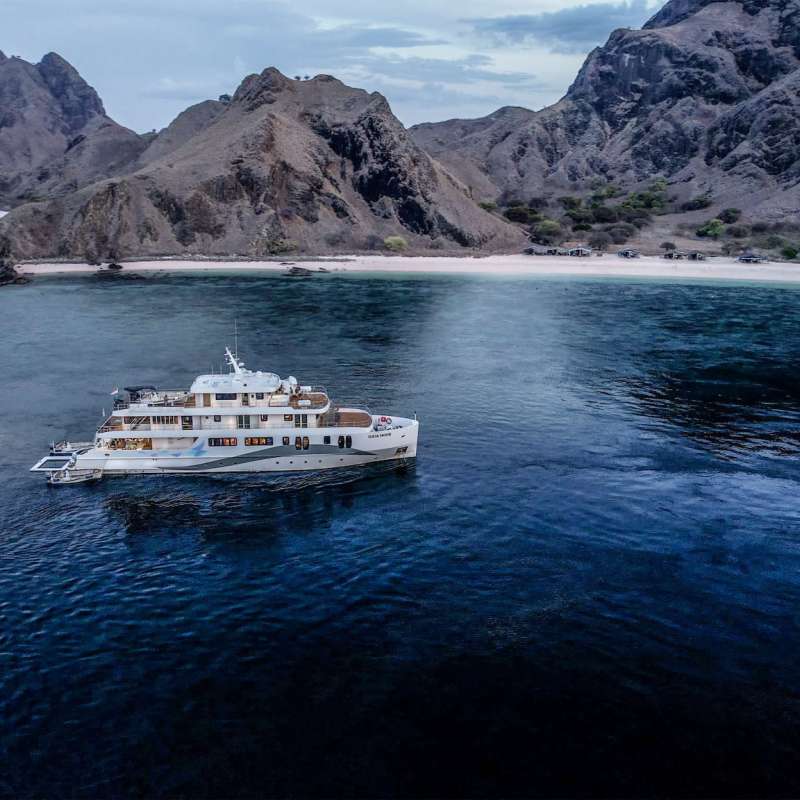
Palau is a remote island nation located in the western Pacific Ocean, part of Micronesia, and is widely regarded as one of the world’s top scuba diving destinations. Comprising more than 300 lush limestone islands surrounded by vibrant coral reefs, Palau offers pristine underwater ecosystems, dramatic seascapes, and an extraordinary concentration of marine life. Strict conservation efforts and limited fishing have helped preserve the reefs in excellent condition, making Palau a true paradise for divers.
Diving in Palau is characterized by healthy coral gardens, steep walls, underwater channels, and strong tidal currents that bring nutrients and pelagic life close to the reefs. Many dives are drift dives, allowing divers to effortlessly glide along walls covered in hard and soft corals. While there are calm sites suitable for less experienced divers, Palau is best enjoyed by intermediate and advanced divers who are comfortable with currents and negative entries.
Palau enjoys a tropical climate year round, with air temperatures averaging between 26–30°C. Water temperatures typically range from 27–29°C (80–84°F), making diving comfortable throughout the year. Visibility is generally excellent, often exceeding 25 meters. Although diving is possible year round, conditions are usually calmest from November to May, while June to October may bring stronger currents and occasional rougher seas, which often translate into more action-packed pelagic encounters.
Palau is not only famous for its underwater scenery but also for unique experiences such as Jellyfish Lake, WWII wrecks, and its iconic limestone Rock Islands. Most of the best dive sites are located far from shore, making liveaboard diving the most efficient and immersive way to explore Palau’s diverse marine environments.
All trips in Palau also include snorkelling at the famous Jellyfish lake, where hundreds of jellyfish inhabit this entrapped lake. These rare species have evolved to lose their stinging tentacles making it perfect for snorkelling, as there is no diving allowed here.
Liveaboard Diving Regions :
Ulong Channel & Siaes Corner
Ulong Channel is famous for its exhilarating drift dives through a coral-lined channel, ending on a shallow plateau rich in hard corals and fish life. White tip reef sharks are commonly seen resting on the sandy bottom, along with turtles and rays. Siaes Tunnel adds an adventurous element, with a swim-through cavern decorated with soft corals and sponges. This region combines excitement with scenic beauty and is accessible to divers with moderate experience.
Blue Corner & Blue Holes
One of Palau’s most iconic dive regions, Blue Corner is known for its powerful currents and extraordinary marine life. Divers often hook in and watch the show as schools of grey reef sharks, barracudas, jacks, and snappers cruise past. Nearby Blue Holes offers a dramatic descent through large openings in the reef into a cavern system that opens onto a vertical wall. This area delivers thrilling dives and is best suited for experienced divers.
Peleliu and Southern Reefs
The southern reefs around Peleliu are more exposed and offer some of the most dynamic diving in Palau. Strong currents attract large pelagic species, including sharks, tuna, and barracudas. The reefs are covered in vibrant hard corals, and encounters with Napoleon wrasse and turtles are frequent. These dives are generally more challenging and recommended for advanced divers seeking high-energy drift dives and big-animal action.
German Channel
German Channel is one of the best places in Palau to encounter manta rays. Created during the German colonial period, this channel connects the open ocean to the inner lagoon and serves as a natural cleaning station for mantas. Sightings of reef sharks, eagle rays, and large schools of fish are common. Diving here is possible year round, with particularly good manta activity during the calmer months.
WWII Wreck Sites
Palau is also home to several well-preserved World War II wrecks, including aircraft and shipwrecks scattered around the lagoon. These sites offer a fascinating combination of history and marine life, with wreck structures now covered in corals and inhabited by reef fish, nudibranchs, and other macro species. Wreck dives are typically calm and suitable for divers of various experience levels.