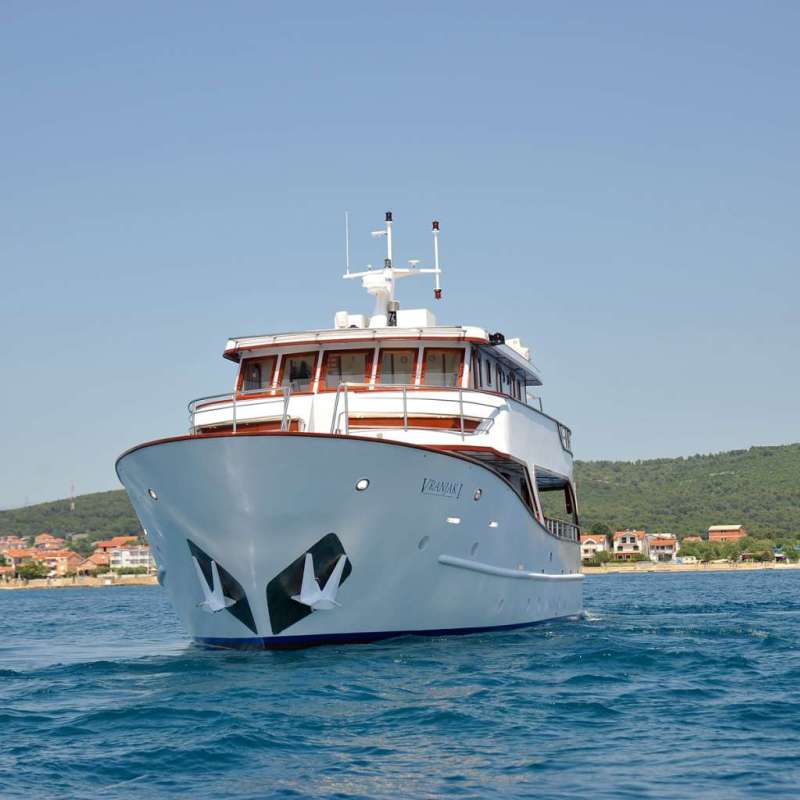
Croatia lies along the eastern coastline of the Adriatic Sea, stretching from the Istrian Peninsula in the north to the Dalmatian coast and its many offshore islands in the south. Known for its crystal-clear waters, dramatic karst landscapes, and rich maritime history, Croatia offers a unique blend of natural beauty and cultural heritage. Beneath the surface, divers can explore limestone reefs, underwater caves, steep walls, and a remarkable collection of shipwrecks spanning centuries of seafaring activity.
Diving in Croatia is generally relaxed and accessible, with calm seas and excellent visibility often exceeding 20–30 meters. While it lacks the coral diversity of tropical regions, the Adriatic compensates with striking underwater topography, historical wrecks, and thriving marine life including octopus, lobsters, moray eels, nudibranchs, and schools of seabream. Wreck diving is a particular highlight, with many sites suitable for both recreational and technical divers. Most dives are conducted in mild to moderate conditions, making the region ideal for beginner to intermediate divers, while deeper wrecks and caves provide challenges for advanced divers.
Croatia experiences a Mediterranean climate with warm, dry summers and mild winters. The main diving season runs from May to October. Air temperatures range from 22–30°C in summer, while water temperatures vary between 18–25°C depending on the season and depth. Visibility is typically best in late spring and early autumn. July and August offer the warmest water but can be busier, while May–June and September–October provide quieter conditions and excellent diving.
Beyond diving, Croatia is rich in history and culture. Coastal towns such as Dubrovnik and Split feature ancient architecture, Roman ruins, and vibrant local life. The islands offer a slower pace, with charming villages, vineyards, and scenic coastlines. A diving trip in Croatia can easily be combined with cultural exploration, sailing, and culinary experiences.
Liveaboard Diving Regions :
Northern Adriatic – Istria & Kvarner Gulf
This region, including areas around Rovinj, Pula, and the islands of Cres and Krk, is known for its rocky reefs, underwater cliffs, and historic wrecks. Marine life includes cuttlefish, scorpionfish, and dense schools of small reef fish. Visibility can vary more here compared to the south but still offers rewarding dives.
Best time to dive: May–June and September–October for the best visibility and fewer crowds. Summer (July–August) offers warmer water but slightly reduced visibility due to increased activity.
Central Dalmatia – Kornati Islands & Split Region
The Kornati archipelago consists of over 100 islands and reefs, forming one of Croatia’s most scenic diving areas. Divers can explore steep walls, caves, and drop-offs with abundant marine life including groupers, barracuda, and nudibranchs. The nearby Split region also offers a mix of reef and wreck diving.
Best time to dive: June–September for warm water and calm seas. May and October are excellent for photographers seeking clearer water and fewer divers.
Southern Dalmatia – Vis, Hvar & Dubrovnik
This is Croatia’s premier diving region, particularly around the island of Vis, which hosts some of the country’s most famous wrecks, including World War II aircraft and ships. The area also features deep walls, caves, and blue holes. Marine life is more abundant here, with frequent sightings of amberjack, tuna, and larger pelagic species.
Best time to dive: June–October, with peak conditions from July to September for warm water and stable weather. Early autumn (September–October) often provides the best combination of visibility, marine activity, and fewer crowds.