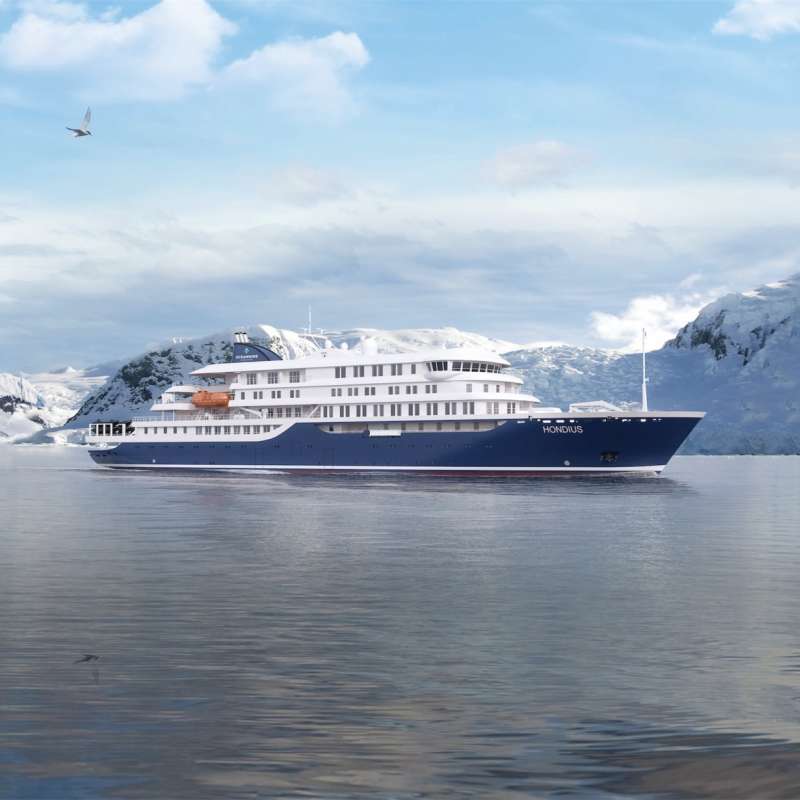
Liveaboard trips to Antarctica offer one of the most extraordinary expedition experiences on Earth. Located at the farthest reaches of the Southern Hemisphere, Antarctica is a frozen wilderness of monumental glaciers, drifting icebergs, and untouched marine ecosystems — a destination reserved for true explorers.
Unlike the Arctic, Antarctica has no permanent human population and is entirely governed by international environmental protection treaties, making it one of the most pristine regions left on the planet. From the Antarctic Peninsula to remote island groups, a liveaboard journey here delivers dramatic polar landscapes, rare wildlife encounters, and surreal underwater scenes that few divers will ever experience.
If you are seeking the ultimate polar expedition, Antarctica Cruising liveaboard is as exclusive and awe-inspiring as it gets.
Scuba Diving in Antarctica
Antarctic scuba diving is a unique and demanding form of polar diving, offering conditions unlike anywhere else in the world. Water temperatures typically range from –2°C to +2°C (28–35°F), and dives are usually conducted in sheltered bays, near ice shelves, or alongside grounded icebergs.
Underwater, divers encounter a dreamlike environment of crystal-clear water, sculpted ice formations, and cold-adapted marine life thriving beneath the ice.
Antarctic diving is demanding and not suitable for beginners. Divers should have certified experience in cold-water diving and dry-suit use, as well as ability to handle potential equipment issues in extreme conditions.
Currents
Water currents can be present anywhere and at any time. The dive guides will select a dive spot that is safe and also give information about returning to the Zodiacs if needed. Normally there is very little current where you dive, if any.
Dive Guides
The dive guide will not be in the water to accompany and lead divers. Rather, dive guides stay on the surface for the divers’ safety. Dives will be made using the buddy system. Divers are expected to be experienced enough to read their compasses and depth gauges and look after each other.
Drifting pack ice
If pack ice approaches while divers are underwater, it can be hard to see people if they surface in the middle of it. For this reason, it is important to only dive around icebergs that are hard aground or floating in water clear of brash or pack ice. Many of the dive sites have slopes or faces that go deeper than the 20 meters (65 feet) maximum limit for our dives. Divers must act responsibly and show self-discipline.
Dive Gear
Every diver is expected to prepare their own equipment in advance of each dive. Bring your own spare parts for regulators and dry suits in case of leaks or damage. Divers are expected to set up and carry their own equipment in and out of the Zodiac as well as up and down the gangway.
Visibility
Ample pack ice often means flat water with clear visibility. Little pack ice can mean plankton blooms, because there is more daylight and possibility of swells. But the ice and weather conditions are different every year, so there is no way to predict them.
Antarctic Marine Life
Antarctica is home to a rich and fascinating ecosystem, both above and below the surface:
Penguins (Gentoo, Adélie, Chinstrap) — incredibly agile swimmers often seen “flying” underwater
Seals — including Weddell, crabeater, and leopard seals
Whales — humpback, minke, and occasionally orcas during peak season
Antarctic krill — the foundation of the entire Southern Ocean food chain
Macro & benthic species — sea stars, nudibranchs, anemones, and sponges adapted to extreme cold.
Best Time for Antarctica
The Antarctic cruising season typically running from late October through late March.
Late October – November (Spring): During this early season, landscapes are pristine with fresh, untouched snow, ideal for photography of sharp, massive icebergs and witnessing penguin courtship and nest building.”
December – January (Peak Summer): These are the most popular months due to the warmest temperatures and nearly 24 hours of daylight. And December is ideal for witnessing penguin chicks hatch and seeing wildlife at its most active. While January offering the best conditions for shore landings and activities like kayaking.
February – March (Late Summer/Autumn): February is peak whale-watching season as species like humpbacks and orcas gather in large numbers to feed. Penguin chicks are also larger and more active. March offers the best chances for spotting whales and seeing spectacular sunsets as daylight begins to decrease. This is often the cheapest time to visit, though temperatures drop and the landscape becomes more rock-strewn as snow melts away.