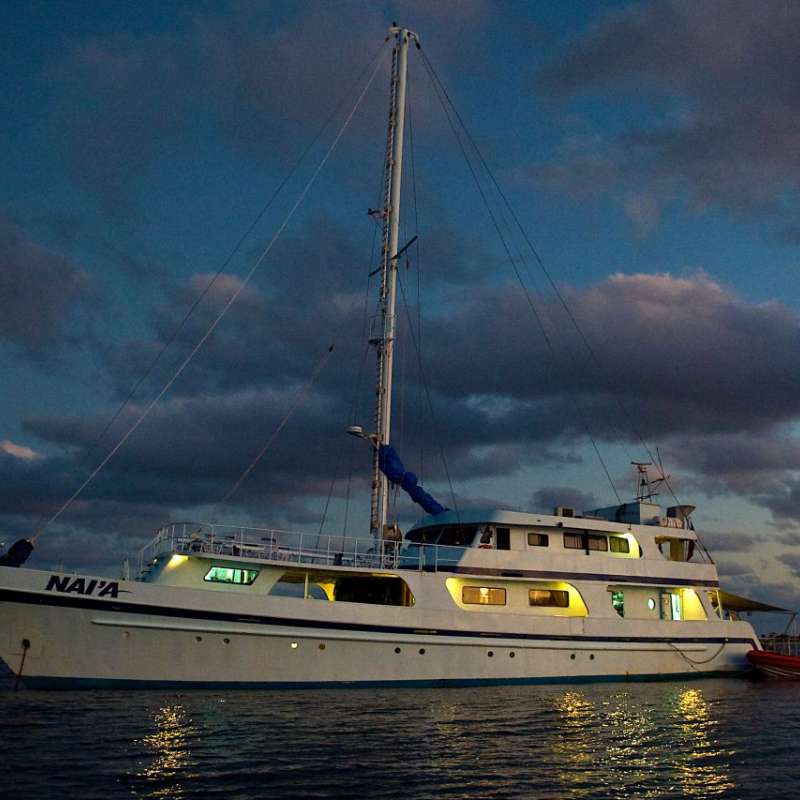
Tonga, officially known as the Kingdom of Tonga, is a Polynesian archipelago nation in Oceania, located directly south of Samoa and roughly two-thirds of the way between Hawaii and New Zealand. The country comprises 169 islands, though only 36 are inhabited, offering pristine beaches, untouched reefs, and remote waters that make it a hidden paradise for nature lovers and adventure seekers alike.
The islands are grouped into three main regions:
Nuku'alofa Group: Located on the main island of Tongatapu, this area is home to Tonga’s capital, Nuku’alofa, and is the most developed part of the kingdom. Here, you’ll find cultural sites, local markets, and convenient access points for marine excursions.
Ha'apai Group: Centrally located, Ha'apai is composed of flat, low-lying islands. Known for their quiet, unspoiled beaches and calm waters, these islands offer a more secluded and peaceful escape.
Vava'u Group: The northernmost cluster and the heart of Tonga’s marine tourism. Vava’u is famous for its sheltered anchorages, rolling hills, volcanic formations, and dense jungle landscapes. Its waters are ideal for whale encounters, snorkeling, and sailing adventures.
Tonga enjoys a tropical climate, with a warm season from December to April, where temperatures can rise above 32°C, and a cooler season from May to November, with temperatures rarely exceeding 27°C.
Humpback Whale Season & Location
Each year from July to October, Southern Hemisphere Humpback Whales migrate more than 5,000 km from their Antarctic feeding grounds to Tonga’s warm tropical waters to breed, give birth, nurse their calves, and court potential mates.
Pregnant females typically arrive first in mid-July to give birth in shallow, predator-free waters, providing a safe environment for newborn calves. These mothers are sometimes accompanied by male escorts hoping to mate either that season or in the next.
By late July, the whale population reaches its peak, with August offering the most consistent and abundant sightings. By mid-September, many whales begin their return migration, though some may linger in Tongan waters into October.
Most whale-watching activity is concentrated in the Vava’u Group, where volcanic hills and sheltered anchorages provide calm waters. The Ha'apai Group, with its flat islands, is idyllic in calm weather but can be exposed during storms. Tongatapu sees very little whale activity and is generally not used for whale-focused tours.
Liveaboards in Tonga (Non-Diving Whale Encounters)
Tonga liveaboards offer two types of whale interactions:
Surface Encounters: From the safety of tenders or boats, guests can watch males competing for female attention by breaching, tail-slapping, spy-hopping, and playful collisions. This behavior is both thrilling and photogenic but must be observed from a safe distance.
In-Water Encounters: Snorkelers may enter the water to observe more curious and approachable whales, including mother-calf-escort trios, solitary females, or resting individuals. These interactions are unpredictable—sometimes whales approach curiously, and sometimes they vanish in an instant. Note that scuba diving is prohibited in Tonga’s Whale Sanctuary, as bubbles are perceived by whales as a potential threat.
Approaching the Whales
Successful encounters depend on respect and patience. Whales are intelligent, social animals, and approaching them aggressively or noisily can drive them away. The key is to remain calm, cohesive, and allow whales to approach you on their terms.
Observe from a safe distance.
Wait for whales to initiate contact.
Respect mothers with calves—they prioritize their young.
Humpback whales are enormous and powerful, accidental contact can be dangerous.
The goal is to nurture trust, curiosity, and interaction without stress or disturbance.
Whale Photography tips
Capturing whales in their natural environment requires a thoughtful approach:
Lighting: Avoid strobes, which are ineffective in open water. Work with ambient light whenever possible, ideally with the sun behind you.
Shutter Speed: Use 1/250–1/320 sec to freeze motion and minimize blur. On cloudy days, increase ISO to 400–800. Modern cameras handle higher ISO without significant noise.
Camera Settings: Use shutter priority mode; blue water photography allows flexibility with depth of field. Set focus to single and drive to continuous high, shooting in short bursts to maximize sharp frames.
Lenses: Wide-angle or fisheye lenses are best for capturing entire whales or dynamic water scenes. Recommended lenses include Canon 15mm, Nikon 10.5–16mm, or Tokina 10–17mm fisheye.
Patience: Whales may move unpredictably; remain calm and ready to capture spontaneous moments.
Tonga offers an unparalleled opportunity to experience whales up close in a pristine, tropical setting—where patience, respect, and care create unforgettable encounters with some of the ocean’s most magnificent creatures.