Komodo National Park, located in the Lesser Sunda Islands of Indonesia, is a UNESCO World Heritage Site known for its spectacular marine biodiversity and dramatic underwater landscapes. The park encompasses the islands of Komodo, Rinca, Padar, and numerous smaller islands, offering divers a mix of thriving reefs, steep walls, strong currents, and abundant pelagic life.
Diving in Komodo is best suited for intermediate and advanced divers due to the region’s strong currents, which make drift diving both thrilling and challenging. Currents, combined with the park’s nutrient-rich waters, attract a variety of marine species, including manta rays, reef sharks, schooling fish, and rare critters. Softer dives are available in sheltered bays and around calm reefs, providing opportunities for macro photography and beginner-friendly exploration.
The park experiences two main diving seasons:
The dry season from April – October, is the most popular time for diving, offering the most stable weather and best overall conditions, brings calm seas, excellent visibility (15–30 meters), and warmer water temperatures generally 27–29°C (81–84°F) in the North, but can drop to 22–24°C (72–75°F) in the South due to upwellings. It's also the prime time for big pelagics like reef sharks, giant trevally, and tuna. Mola Mola (ocean sunfish) sightings are most frequent in the South during August.
The wet season goes from November – March, while often overlooked, the wet season offers some of the park's most spectacular marine encounters. Plankton blooms attract huge numbers of manta rays, especially from December to February. And it's the best time to dive Southern Komodo (e.g. Manta Alley, Horseshoe Bay), as sites are clearer and warmer (~27°C) compared to the dry season. However, visibility can drop to 10–20m in Central areas due to plankton, and strong northwesterly winds can make the North region inaccessible.
Above water, Komodo National Park offers dramatic landscapes with rugged hills, pink sand beaches, and iconic Komodo dragons. Visitors often combine diving trips with trekking excursions, island hopping, and cultural experiences in local fishing villages.
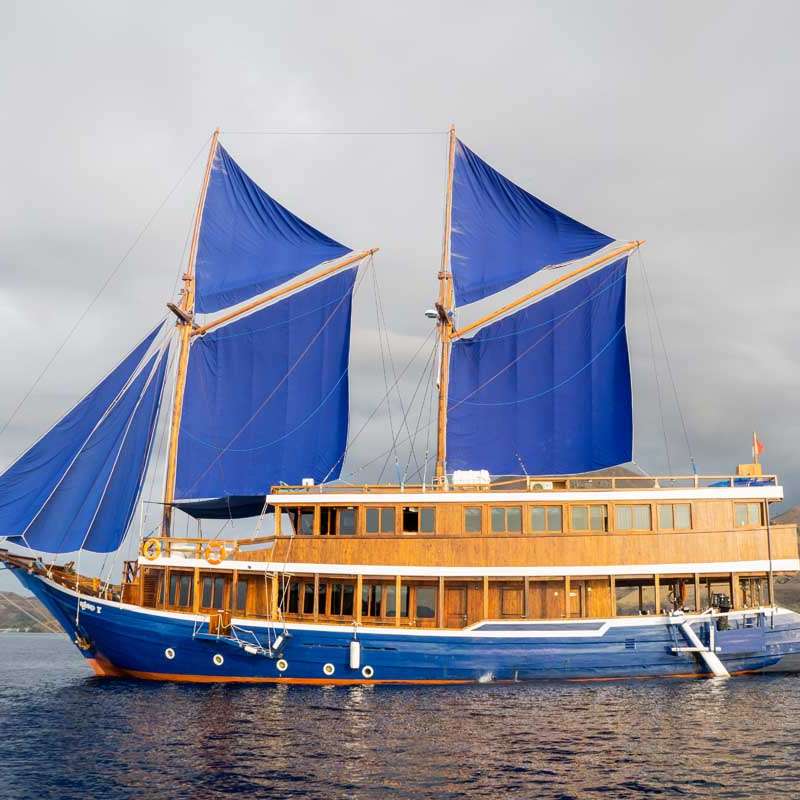
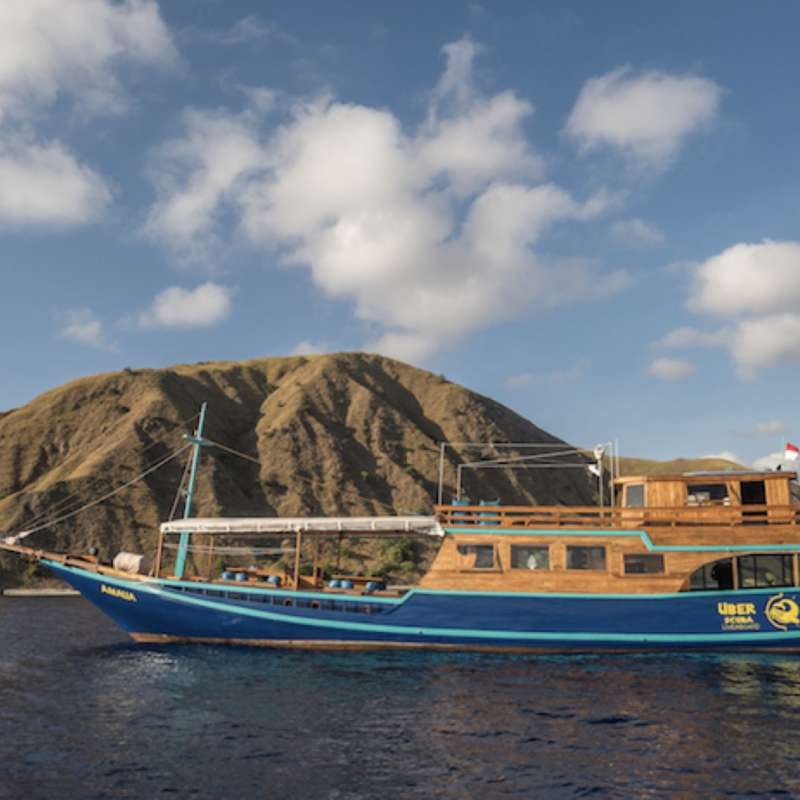
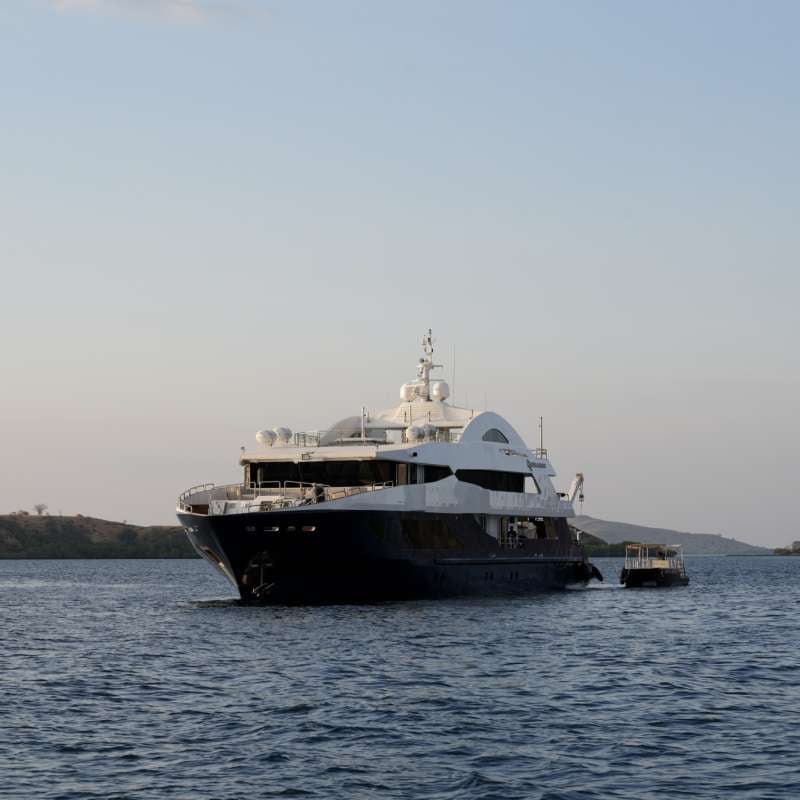
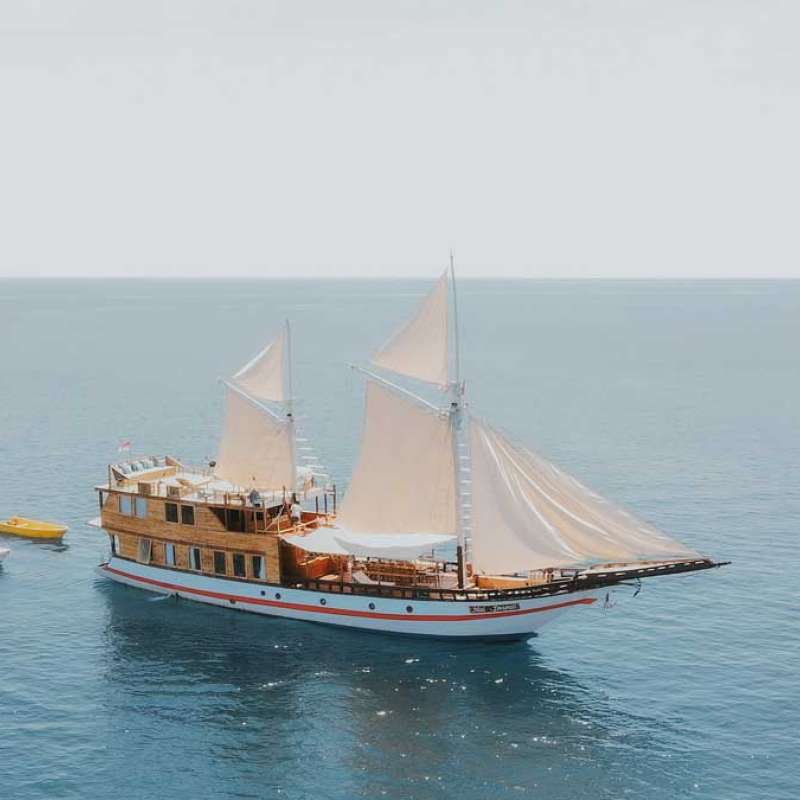
Liveaboard Diving Regions :
Komodo Island
Komodo offers world-class diving along strong-current channels and dramatic walls. Divers can encounter manta rays, reef sharks, turtles, and abundant schooling fish. Popular dive sites include Batu Bolong, Tatawa Besar, and Castle Rock, each with thrilling drift dives and spectacular coral gardens.
Rinca Island
Rinca’s dive sites feature pinnacles, walls, and nutrient-rich channels that attract pelagics and macro species alike. Sharks, manta rays, and eagle rays are common, while the sheltered bays provide calmer waters ideal for intermediate divers. Visibility varies from 15–25 meters.
Padar and Northern Islands
The northern islands and channels around Padar offer challenging dives with strong currents, large schools of fish, and occasional encounters with reef sharks, manta rays, and other pelagics. These dives reward experienced divers with exhilarating drift experiences and stunning underwater topography.
Southern and Sheltered Sites
Around southern Komodo and nearby sheltered reefs, divers can enjoy colorful coral gardens, soft corals, and abundant macro life. Currents are lighter, making these sites perfect for less experienced divers or those seeking relaxed dives with plenty of marine life.