The Banda Sea, part of Indonesia’s Maluku Islands, once sought by Columbus and Marco Polo, the Banda Islands were the original Spice Islands and the most coveted destination on earth, particularly by the Dutch and Portuguese who colonized the islands and exported the indigenous nutmeg and cloves.
The Banda Sea is a remote and pristine diving paradise that draws divers from around the world. Known for its clear, deep waters and dramatic volcanic seascapes, the Banda Sea offers an unparalleled combination of pelagic encounters, vibrant coral reefs, and rich biodiversity.
Diving in the Banda Sea is generally for intermediate to advanced divers, as strong currents are common at many sites, particularly around deep walls and channels. Divers can expect to see schools of hammerheads, grey reef sharks, silvertip sharks, manta rays, and occasional whale sharks. The area also boasts thriving reef ecosystems with colorful corals, abundant macro life, and endemic species unique to the region.
The climate is tropical, with warm waters year-round. The best diving season is typically from October to April, during the wet season, when nutrient-rich currents attract large pelagic species and visibility is often excellent (15–30 meters). From May to September, the waters are calmer and slightly cooler, making it ideal for macro photography, reef exploration, and encounters with schooling fish and soft coral gardens. Air temperatures range from 26–32°C throughout the year.
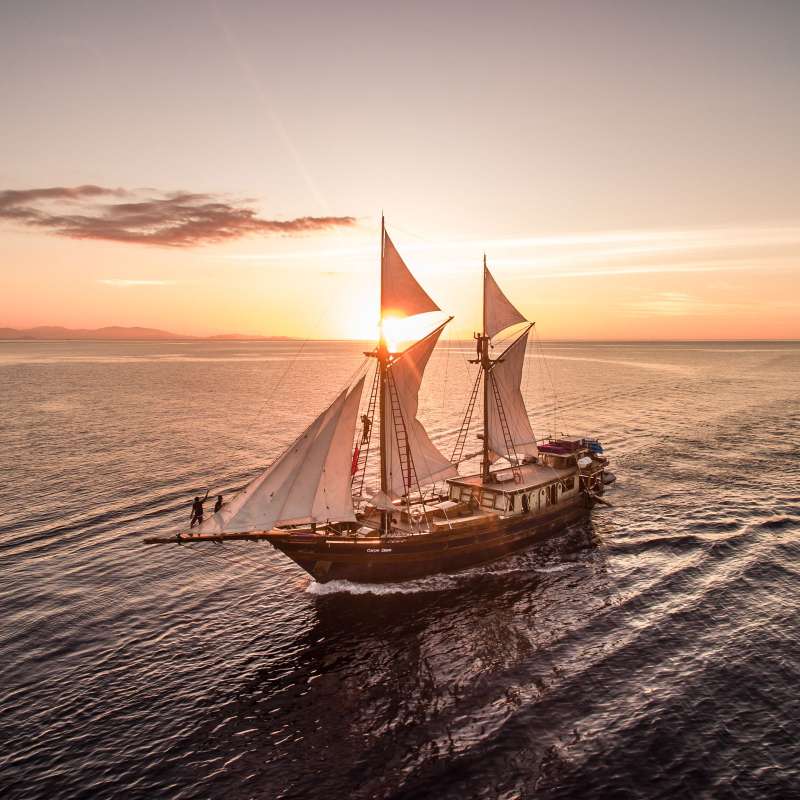
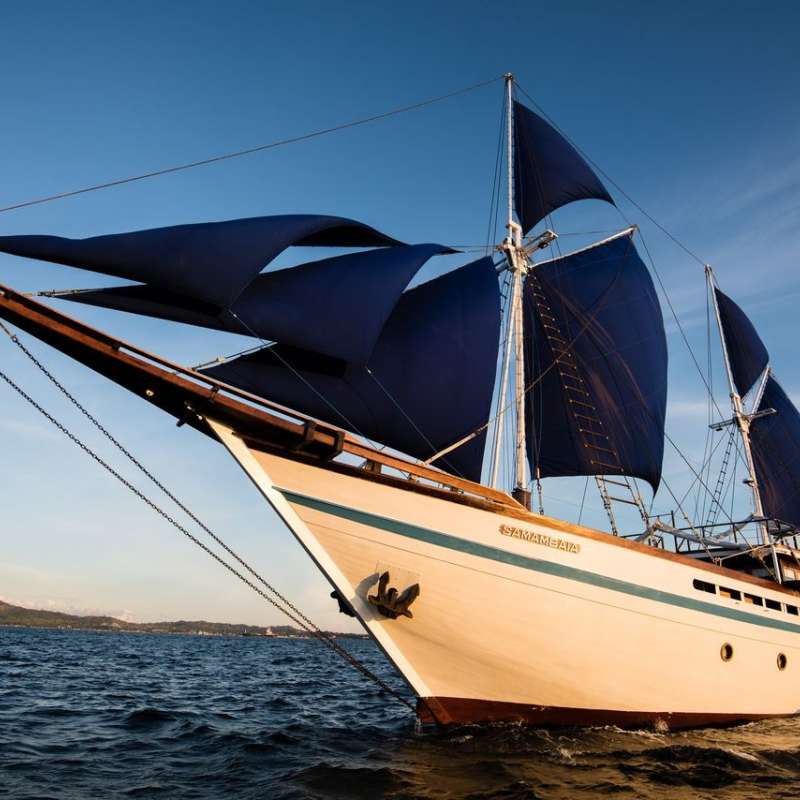
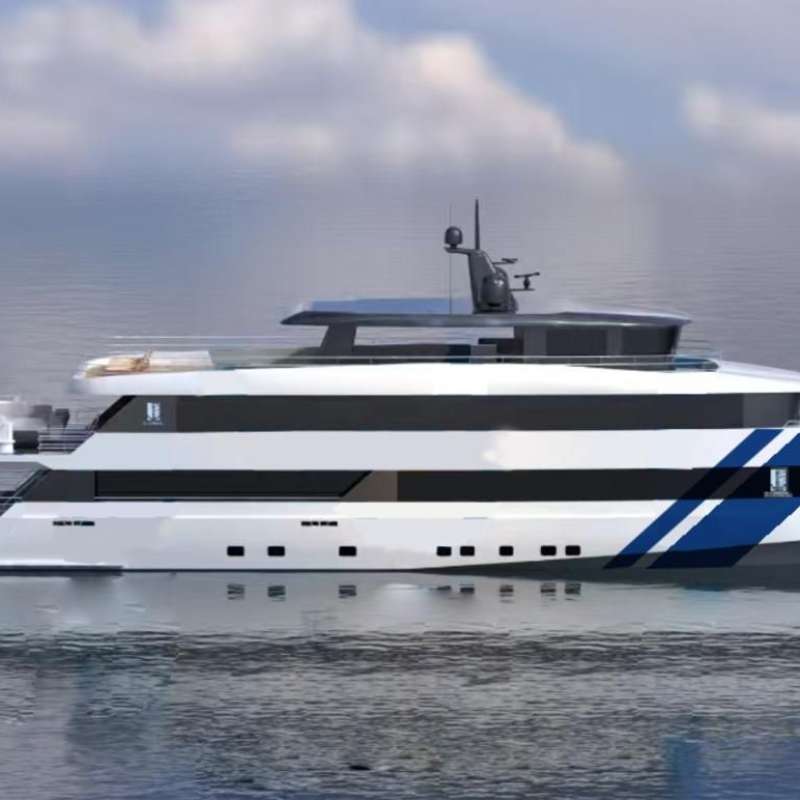
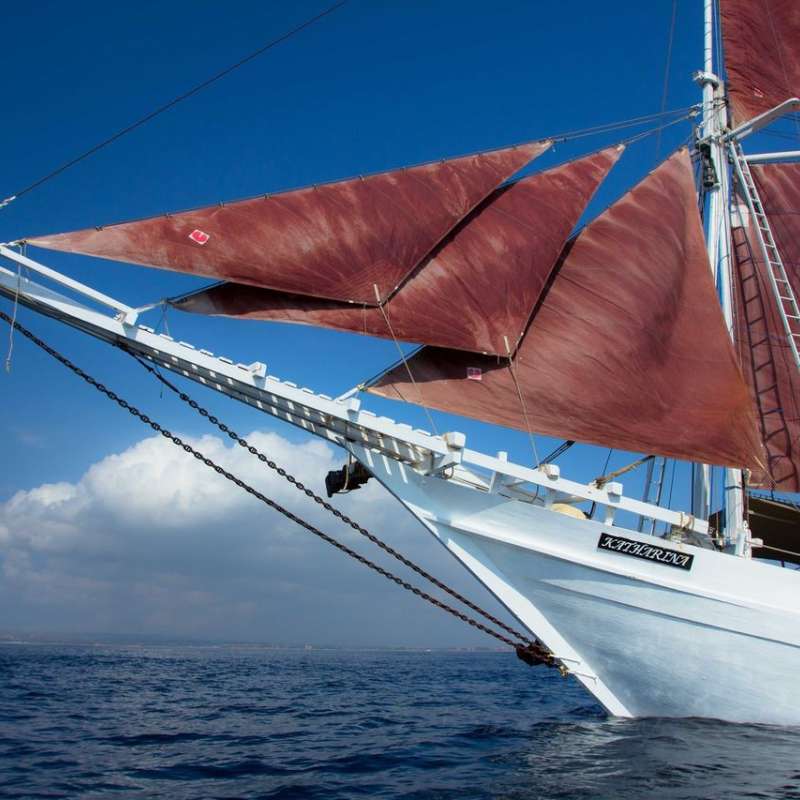
The Banda Sea is relatively untouched and offers an intimate diving experience away from the crowds. Liveaboard trips are the most practical way to explore the region, as many dive sites are in remote areas only accessible by boat. In addition to diving, travelers can enjoy historical sites in Banda Neira, including colonial forts, spice plantations, and volcanic landscapes.
Liveaboard Diving Regions :
Banda Neira & Banda Islands
The central Banda Islands, including Banda Neira, offer a variety of dive experiences from shallow coral gardens to deep volcanic walls. Expect schools of reef fish, sharks, rays, and abundant macro life. Currents can be strong, especially around narrow channels, making these sites suitable for experienced divers.
Forgotten Islands
This remote cluster of islands is a hidden gem in the Banda Sea, offering untouched coral reefs, walls, and pinnacles. Divers can expect abundant macro life, schooling fish, reef sharks, and large pelagics like hammerheads. Drift dives are common due to strong currents, making this a destination for experienced divers seeking adventure off the beaten path.
Manuk Island
Manuk is an active volcanic island famous for its dramatic walls, pinnacles, and pelagic encounters. Hammerhead sharks, grey reef sharks, silvertips, and occasional manta rays patrol these waters. Strong currents and deep dives make this site suitable only for confident, experienced divers. Visibility is excellent during the peak season (October–April).
Nil Desperandum
Located in the southern Banda Sea, Nil Desperandum is a remote dive site known for its spectacular vertical walls, coral gardens, and nutrient-rich waters that attract schools of jacks, reef sharks, and large pelagics. Currents are variable, offering exciting drift dives. This site is often visited on extended liveaboard itineraries and is a highlight for adventurous divers seeking remote, pristine reefs.
Banda Sea Pelagic Routes
These liveaboard routes cover open water dives and deep walls throughout the Banda Sea, giving divers chances to encounter hammerheads, silvertips, manta rays, and whale sharks. Pelagic sightings are most frequent between October and April, during the nutrient-rich season.
Remote Southern Islands
Dives around the southern Banda Islands include dramatic walls, pinnacles, and pristine reefs rich with endemic species, nudibranchs, and macro life. Conditions are generally calmer from May to September, ideal for relaxed reef exploration and photography.