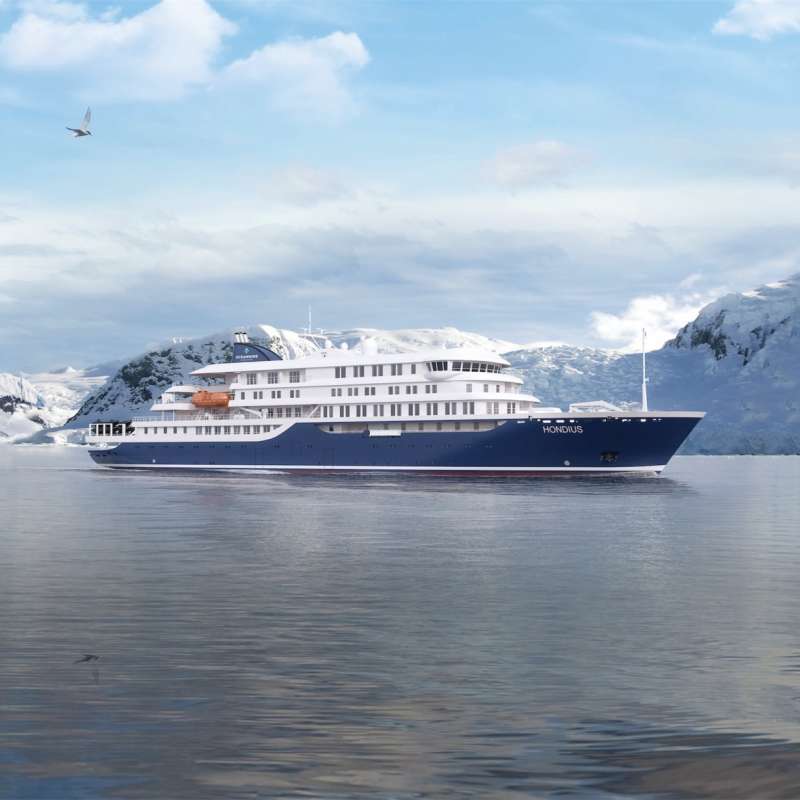
Liveaboard trips to the Arctic is a unique experience that offers travelers the opportunity to explore one of the most remote and beautiful landscapes on earth. The farthest reaches of the far north are home to some of the world’s most iconic wildlife, of which polar bears and Arctic foxes are just a part.
Unlike Antarctica, the Arctic has small indigenous populations and scattered settlements, but vast areas remain untouched and wild. From the icy waters of Greenland to the majestic fjords of Svalbard and the northern coasts of Norway, a liveaboard journey here delivers dramatic polar landscapes, rare wildlife encounters, and surreal underwater experiences that few divers will ever experience.
Scuba divers can experience an unique type of diving that can't be found anywhere else in the world. Polar diving in Arctic usually make shallow dives that explore near or under ice floes (about nine meters, or 30 feet deep) as well as deeper shoreline dives (nine to 18 meters, or 30 to 60 feet deep). There are usually up to 2 dives per day, but an exact number of dives cannot be given due to the possibility of variable ice and weather conditions.
In the Arctic, you may also encounter seals, sea lions, and walruses. When these beloved animals are close to the Zodiacs, divers may try to observe them underwater using snorkels and masks. But because of the possible danger, divers cannot dive with walruses.
The Polar diving requires more experience than tradtional scuba diving and is not for beginners. In addition to posessing an internationally recognized scuba certificate, polar divers must be able to verify at least 30 logged cold-water dives with dry-suit before they can take part in the polar diving program. The reason for this is the unique danger posed by the polar environment. For example, the frigid water can cause regulators to free-flow air, so divers need to practice handling this malfunction. Hypothermia is also a challenge in polar dives, so it is vital to recognize its signs and call off the dive should you suspect you are being affected.
Arctic polar diving provides a once-in-a-lifetime experience for those who are brave enough to take on this challenge!
Diving in Arctic
Arctic scuba diving is a challenging and exhilarating form of polar diving, with conditions unlike anywhere else on Earth. Water temperatures generally range from –2°C to +4°C (28–39°F). Most dives take place near ice edges, under ice floes, or along sheltered fjords, offering a dreamlike underwater world of crystal-clear waters, sculpted ice formations, and cold-adapted marine life.
Currents
Water currents can be present anywhere and at any time. The dive guides will select a dive spot that is safe and also give information about returning to the Zodiacs if needed. Normally there is very little current where you dive, if any.
Dive Guides
The dive guide will not be in the water to accompany and lead divers. Rather, dive guides stay on the surface for the divers’ safety. Dives will be made using the buddy system. Divers are expected to be experienced enough to read their compasses and depth gauges and look after each other.
Drifting pack ice
If pack ice approaches while divers are underwater, it can be hard to see people if they surface in the middle of it. For this reason, it is important to only dive around icebergs that are hard aground or floating in water clear of brash or pack ice. Many of the dive sites have slopes or faces that go deeper than the 20 meters (65 feet) maximum limit for our dives. Divers must act responsibly and show self-discipline.
Dive Gear
Every diver is expected to prepare their own equipment in advance of each dive. Bring your own spare parts for regulators and dry suits in case of leaks or damage. Divers are expected to set up and carry their own equipment in and out of the Zodiac as well as up and down the gangway.
Visibility
Ample pack ice often means flat water with clear visibility. Little pack ice can mean plankton blooms, because there is more daylight and possibility of swells. But the ice and weather conditions are different every year, so there is no way to predict them.
Arctic Marine Life
The Arctic is home to a rich ecosystem above and below the water:
Polar bears — iconic predators, seen mostly from Zodiacs.
Seals and walruses — including ringed, bearded, and walrus species (diving with walruses is prohibited).
Arctic foxes and birds — including puffins and seabirds along the coast.
Macro & benthic species — cold-adapted sea stars, anemones, nudibranchs, and sponges.
Best Time for Arctic
The Arctic cruising season typically running from May through September, dictated by the melting and reforming of sea ice. While specific dates vary by destination, the peak travel period is July and August.
May (Early Season/Summber): Ice floes start melting, wildlife activity increases, and the midnight sun provides extended daylight for photography. It is a prime time for spotting polar bears on ice floes and newly-formed icebergs.
June (Early Season/Summber): Wildlife activity increases; it is considered the best time to see narwhals. Icebreaker cruises to the North Pole typically begin this month.
Mid-July – August (Peak Season/Summer): These are the warmest months, with temperatures averaging between 37°F (3°C) and 55°F (13°C). Ideal for calmer waters, optimal dive conditions, and best chances of observing polar bears hunting along ice edges. From August, sea ice reaches its minimum extent, allowing ships to transit the Northwest Passage and reach remote areas like Northeast Greenland.
September (Late Summer/Early Autumn): Cooler temperatures and daylight decreases rapidly, and autumn colors appear. This is the best month to see the Northern Lights (Aurora Borealis) as dark skies return, fewer crowds make for a more private experience, though weather becomes more variable.